

In India, people often say that a beautiful smile is your best accessory. But more often than not, most individuals only think about their teeth when they start to ache. Just like your body needs the right habits to stay fit, your teeth and gums need specific nutrients to stay strong. Your mouth is the gateway to your overall health.
You may have noticed your gums bleeding during brushing or a sudden sensitivity to your favourite cold lassi. This may be because your diet is missing the “building blocks” for a healthy mouth. Let’s learn what the most powerful dental toolkit, foods for healthy teeth, sitting right in your kitchen.
6 Dental Superfoods That Strengthen Your Teeth While You Eat

According to Dr. Subita Alagh, Medical Expert at TATA 1mg, “what you choose to eat can either build up your enamel or slowly wear it down. Food intake can enhance enamel remineralisation when the diet contains sufficient vitamin D, calcium, and phosphates.”
By choosing the right foods for healthy teeth—like the ones listed below—you aren’t just eating. You are essentially giving your teeth a “mineral bath”. A mineral bath means getting nutrients like calcium and phosphate from food to help strengthen enamel and repair early damage. This can strengthen them from the inside out.
Crunchy Apples: Nature’s Toothbrush
 While dentists generally recommend staying away from sweet things, some fruits like apples are the exception. So, why can an apple a day keep your dentist away? The fibrous texture of an apple acts like a natural toothbrush. As you chew, the skin and flesh scrub away plaque and stimulate your gums. Chewing an apple takes time and effort, which also triggers saliva production. This may help rinse away lingering bacteria and food particles.
Apples do not replace brushing, but they do give your mouth a quick, natural cleanse. Just remember to always eat the whole fruit with the skin after meals, when you want something refreshing but helpful. Avoid apple juice, which removes the fiber and leaves behind concentrated sugar.
Almonds: The Low-Sugar Powerhouse
 If you’re looking for a snack that won’t cause cavities, almonds (badam) are at the top of the list. They are a great source of calcium and protein while being very low in sugar. Unlike biscuits or rusks, almonds don’t stick to your teeth. Sticky, starchy snacks attract bad bacteria, but crunchy almonds help maintain a clean oral environment. So, for a busy day, just keep a small jar of roasted almonds at your office desk. It’s the perfect swap for that sugary mid-day tea biscuit.
Leafy Greens: The ‘Invisible’ Floss
 Vegetables like spinach (palak) and kale are nutritional powerhouses for your gums. Why are they important? These greens are high in calcium, which builds your teeth, and folic acid, a type of Vitamin B. Folic acid is known to be beneficial for dental health [1].
The Cheese Defense: Your Enamel’s Bodyguard
 It might sound surprising, but cheese is one of the best “anti-cavity” foods you can find. Eating cheese raises the pH level in your mouth, making it less acidic. This can reduce the risk of tooth decay [2]. Cheese is packed with calcium and phosphates, which are the primary minerals that make up your enamel. It also stimulates saliva—your mouth’s natural way of washing away food debris.
The Friendly-tip: Have a small cube of cheddar or processed cheese at the end of a meal. It acts as a “buffer” against the acids produced by other foods.
Yogurt: The Probiotic Protector
 Much like cheese, yogurt is high in calcium and protein, but it has an extra secret weapon: the probiotics. The “good” bacteria found in yogurt can help crowd out the “bad” bacteria that cause cavities and gum disease.
Many flavoured yogurts in the market are loaded with sugar, which can actually feed the bacteria you’re trying to fight. Opt for plain, unsweetened curd (dahi). A bowl of fresh dahi with your lunch provides the phosphates needed for enamel repair.
Vitamin D-Rich Foods: The ‘Mineral Absorber’
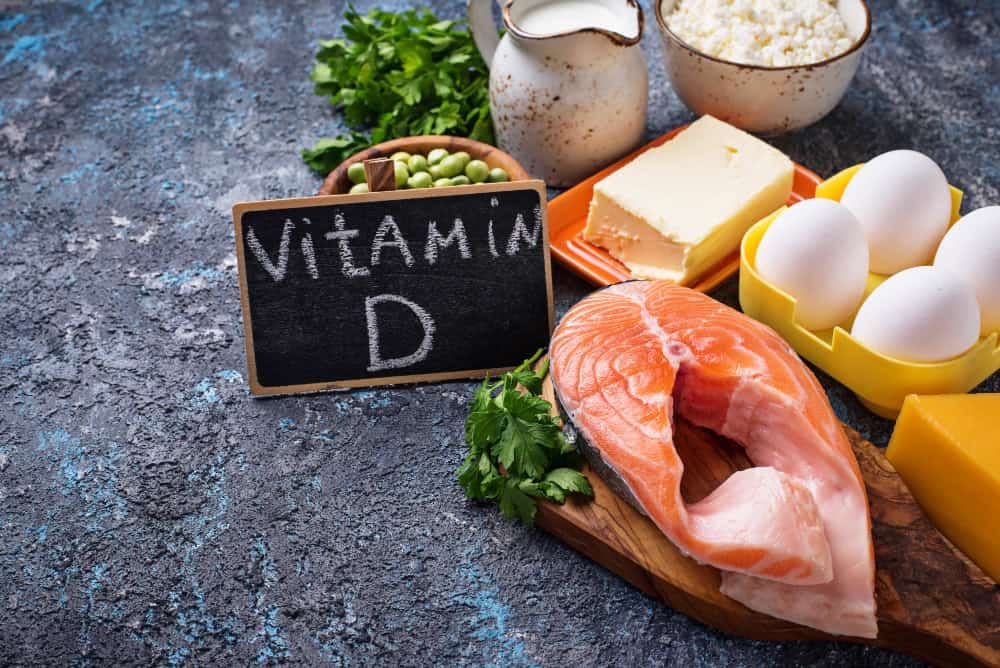
You could eat all the calcium in the world, but without Vitamin D, your body can’t absorb it. As Dr. Subita presses on the fact, a Vitamin D-rich diet is consistently linked to fewer cavities. It helps your body “pull” minerals into your bone and tooth structure.
Common sources include fatty fish, egg yolks, and fortified cereals. In India, many of us are vitamin D-deficient due to indoor lifestyles. Getting 10 minutes of morning sun is just as important for your teeth as it is for your bones
The Common Thread: It’s All About Remineralisation
If there’s one takeaway from all these foods for healthy teeth that Dr. Subita also agrees with, it is this:
Your teeth are constantly losing minerals—and gaining them back. Foods rich in calcium, phosphates, and vitamin D help restore enamel and prevent damage. That’s why small, consistent diet choices are more important than occasional “healthy eating”.
FAQs
Q1. Can I just eat cheese instead of brushing?
No, food is a supplement, not a replacement for oral hygiene. You still need to brush twice a day and floss. Think of these foods as the “armour” that protects your teeth between cleanings.
Q2. Why are ‘sticky’ foods so bad for my teeth?
Foods like chikki, dried fruits, or even white bread get stuck in the grooves of your molars. Because they stay there for hours, bacteria have a feast, producing acid that slowly dissolves your enamel.
Q3. Can turmeric remove a cavity?
No, turmeric can’t remove a cavity, as once there’s a hole, only a dentist can fill it. But turmeric is great for preventing new ones by soothing swollen, bacteria-prone gums.
Q4. What foods do dentists actually recommend as foods for healthy teeth and gums?
Any foods that “scrub” or “build” are usually what dentists see potential in. Think apples for cleaning, cheese for calcium, and almonds for low-sugar minerals.
Q5. How do you draw an infection out of your gums?
To draw out an infection at home, a warm saltwater rinse is the best remedy. The salt pulls fluid and bacteria out of the swelling to reduce pain, but you’ll still need a check-up to fix the root cause.
Q6. Is there a “natural antibiotic” for my teeth?
While not a replacement for medicine, Garlic is often called nature’s antibiotic. It contains allicin, which has strong antibacterial properties that help fight the germs causing tooth decay and gum pain. Simply chewing a raw clove or applying a crushed paste can provide temporary relief, but it won’t cure a deep-seated infection.
Q7. Which drinks are the worst for my dental health?
It’s not just “sweet” drinks; it’s the acid and fizz in drinks like:
– Energy Drinks & Sodas: These have a very high sugar and phosphoric acid that melts enamel.
– Alcohol: This dries out your mouth, reducing the saliva you need to wash away bacteria.
– Packaged Fruit Juices: Even “no sugar added” versions are highly acidic and can erode your teeth over time.
References
1. Buzatu R, Luca MM, Bumbu BA. The role of Vitamin B complex in periodontal disease: A systematic review examining supplementation outcomes, age differences in children and adults, and aesthetic changes. Nutrients. 2025;17(7):1166. doi:10.3390/nu17071166
2. Herod EL. The effect of cheese on dental caries: A review of the literature. Australian Dental Journal. 1991;36(2):120-125. doi:10.1111/j.1834-7819.1991.tb01340.x